
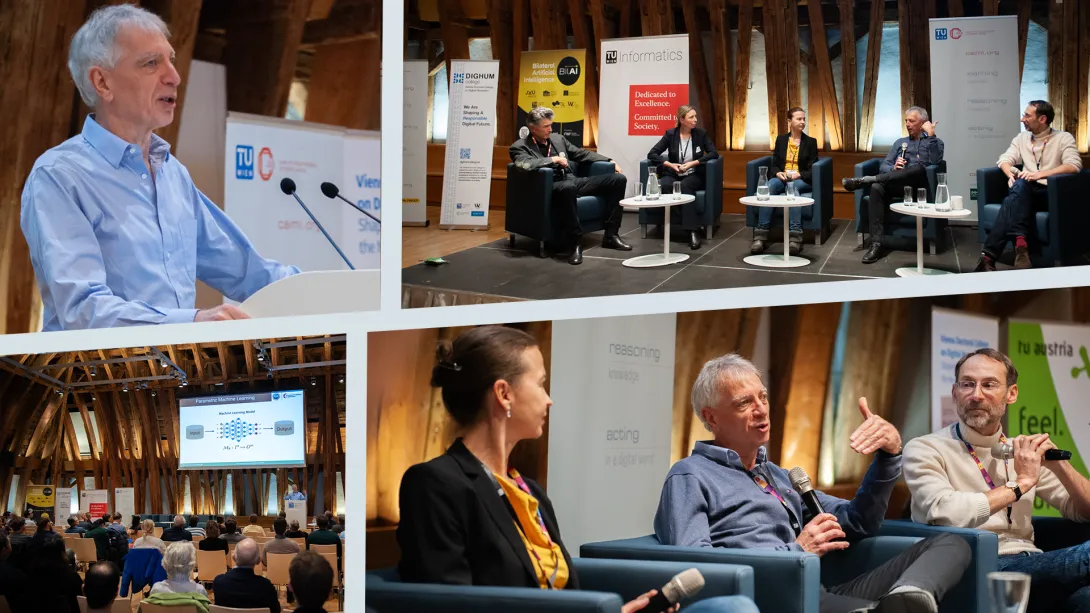
Pascal Van Hentenryck, A. Russell Chandler III Chair and Professor in the H. Milton Stewart School of Industrial and Systems Engineering (ISyE) at Georgia Tech, director of Tech AI, and director of NSF AI4OPT, was a keynote speaker at AI Festival 2025, held December 1–3 at TU Wien Informatics in Vienna, Austria.
The three-day international festival convened leading researchers, industry experts, and members of the public to explore how artificial intelligence is shaping science, technology, and society. Through keynote talks, panels, and interactive sessions, the event fostered dialogue around emerging AI research, real-world applications, and societal impact.
Van Hentenryck delivered a keynote on “AI for Engineering Optimization” during Day 1: Research, which focused on recent advances in foundational and applied AI. His talk highlighted how AI and optimization methods can be integrated to address complex engineering challenges, with implications for domains such as energy systems, mobility, and large-scale decision-making.
The session was chaired by Nysret Musliu of TU Wien and the Cluster of Excellence Bilateral AI (BilAI).
The research-focused first day of the festival featured discussions on topics including neurosymbolic AI, large language models, explainable AI, AI in science, and automated problem solving and decision-making. Van Hentenryck’s keynote contributed to these conversations by emphasizing the role of AI-driven optimization in advancing engineering design and operational efficiency.
AI Festival 2025 was co-organized by TU Wien, the Center for Artificial Intelligence and Machine Learning (CAIML), BilAI—funded by the Austrian Science Fund (FWF)—the Vienna Science and Technology Fund (WWTF), and TU Austria. The event underscored the importance of international collaboration across academia and industry in advancing responsible and impactful AI research.
Van Hentenryck’s participation reflects Georgia Tech’s leadership in artificial intelligence, as well as the missions of Tech AI and AI4OPT to advance AI-enabled optimization and decision-making for complex, real-world systems.
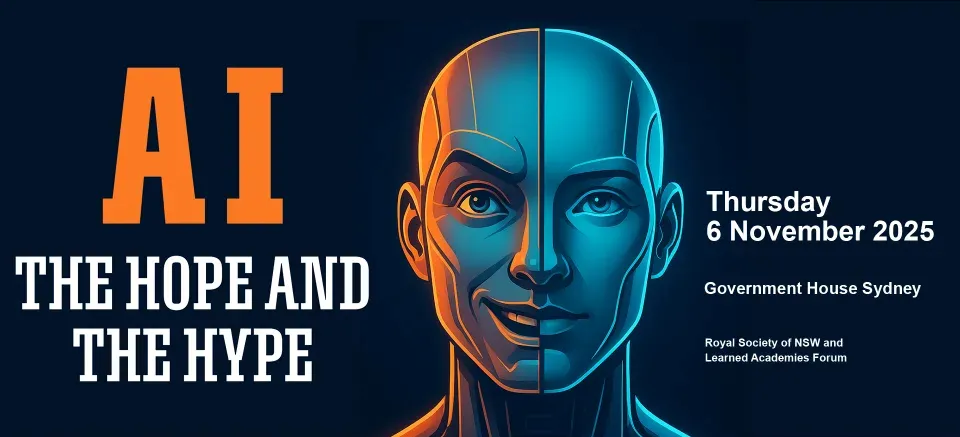
The Royal Society of NSW and the Learned Academies are hosting their 2025 Forum, “AI: The Hope and the Hype,” on November 6 at Government House, Sydney. The event will explore how artificial intelligence can deliver real-world benefits while managing its risks.
We’re proud to share that Tech AI’s own Pascal Van Hentenryck, A. Russell Chandler III Chair and Director of Georgia Tech’s AI Hub, will be among the featured speakers—bringing Georgia Tech’s global perspective on building trustworthy, impactful AI systems.
Learn more about the forum: royalsoc.org.au/events/rsnsw-and-learned-academies-forum-2025
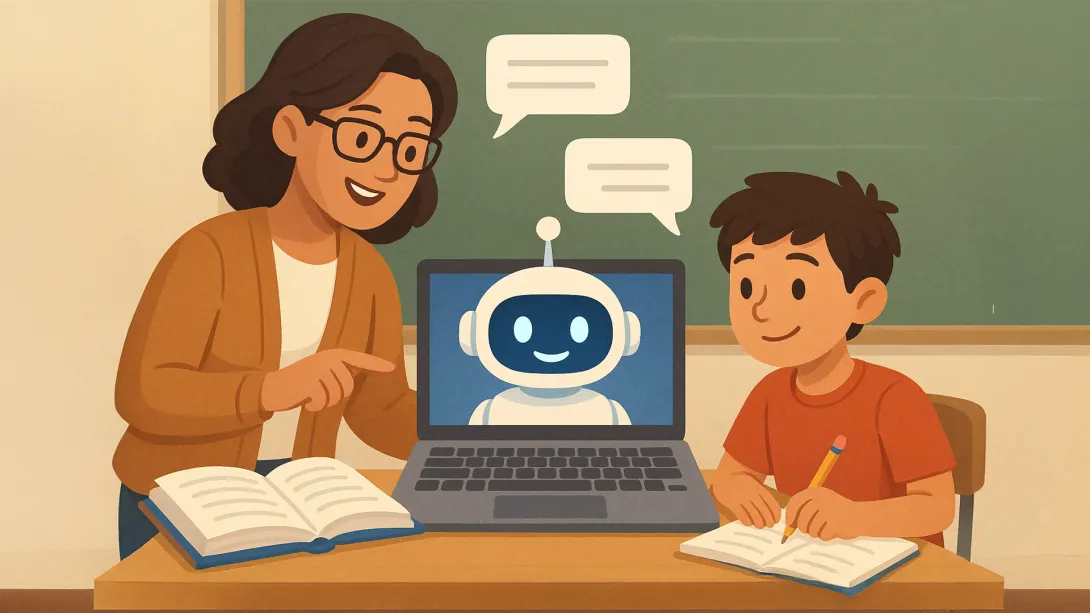
A new version of Georgia Tech’s virtual teaching assistant, Jill Watson, has demonstrated that artificial intelligence can significantly improve the online classroom experience. Developed by the Design Intelligence Laboratory (DILab) and the U.S. National Science Foundation AI Institute for Adult Learning and Online Education (AI-ALOE), the latest version of Jill Watson integrates OpenAI’s ChatGPT and is outperforming OpenAI’s own assistant in real-world educational settings.
Jill Watson not only answers student questions with high accuracy. It also improves teaching presence and correlates with better academic performance. Researchers believe this is the first documented instance of a chatbot enhancing teaching presence in online learning for adult students.
How Jill Watson Shaped Intelligent Teaching Assistants
First introduced in 2016 using IBM’s Watson platform, Jill Watson was the first AI-powered teaching assistant deployed in real classes. It began by responding to student questions on discussion forums like Piazza using course syllabi and a curated knowledge base of past Q&As. Widely covered by major media outlets including The Chronicle of Higher Education, The Wall Street Journal, and The New York Times, the original Jill pioneered new territory in AI-supported learning.
Subsequent iterations addressed early biases in the training data and transitioned to more flexible platforms like Google’s BERT in 2019, allowing Jill to work across learning management systems such as EdStem and Canvas. With the rise of generative AI, the latest version now uses ChatGPT to engage in extended, context-rich dialogue with students using information drawn directly from courseware, textbooks, video transcripts, and more.
Future of Personalized, AI-Powered Learning
Designed around the Community of Inquiry (CoI) framework, Jill Watson aims to enhance “teaching presence,” one of three key factors in effective online learning, alongside cognitive and social presence. Teaching presence includes both the design of course materials and facilitation of instruction. Jill supports this by providing accurate, personalized answers while reinforcing the structure and goals of the course.
The system architecture includes a preprocessed knowledge base, a MongoDB-powered memory for storing conversation history, and a pipeline that classifies questions, retrieves contextually relevant content, and moderates responses. Jill is built to avoid generating harmful content and only responds when sufficient verified course material is available.
Field-Tested in Georgia and Beyond
The first AI-powered teaching assistant was developed for Georgia Tech’s Online Master of Science in Computer Science (OMSCS) program. By fall 2023, Jill Watson was deployed in Georgia Tech’s OMSCS artificial intelligence course, serving more than 600 students, as well as in an English course at Wiregrass Georgia Technical College, part of the Technical College System of Georgia (TCSG).
A controlled A/B experiment in the OMSCS course allowed researchers to compare outcomes between students with and without access to Jill Watson, even though all students could use ChatGPT. The findings are striking:
- Jill Watson’s accuracy on synthetic test sets ranged from 75% to 97%, depending on the content source. It consistently outperformed OpenAI’s Assistant, which scored around 30%.
- Students with access to Jill Watson showed stronger perceptions of teaching presence, particularly in course design and organization, as well as higher social presence.
- Academic performance also improved slightly: students with Jill saw more A grades (66% vs. 62%) and fewer C grades (3% vs. 7%).
A Smarter, Safer Chatbot
While Jill Watson uses ChatGPT for natural language generation, it restricts outputs to validated course material and verifies each response using textual entailment. According to a study by Taneja et al. (2024), Jill not only delivers more accurate answers than OpenAI’s Assistant but also avoids producing confusing or harmful content at significantly lower rates.
Compared to OpenAI’s Assistant, Jill Watson (ChatGPT) not only achieves higher accuracy but also produces confusing or harmful content at significantly lower rates. Jill Watson answers correctly 78.7% of the time, with only 2.7% of its errors categorized as harmful and 54.0% as confusing. In contrast, OpenAI’s Assistant demonstrates a much lower accuracy of 30.7%, with harmful failures occurring 14.4% of the time and confusing failures rising to 69.2%. Additionally, Jill Watson has a lower retrieval failure rate of 43.2%, compared to 68.3% for the OpenAI Assistant.
What’s Next for Jill
The team plans to expand testing across introductory computing courses at Georgia Tech and technical colleges. They also aim to explore Jill Watson’s potential to improve cognitive presence, particularly critical thinking and concept application. Although quantitative results for cognitive presence are still inconclusive, anecdotal feedback from students has been positive. One OMSCS student wrote:
“The Jill Watson upgrade is a leap forward. With persistent prompting I managed to coax it from explicit knowledge to tacit knowledge. Kudos to the team!”
The researchers also expect Jill to reduce instructional workload by handling routine questions and enabling more focus on complex student needs.
Additionally, AI-ALOE is collaborating with the publishing company John Wiley & Sons, Inc., to develop a Jill Watson virtual teaching assistant for one of their courses, with the instructor and university chosen by Wiley. If successful, this initiative could potentially scale to hundreds or even thousands of classes across the country and around the world, transforming the way students interact with course content and receive support.
A Georgia Tech-Led Collaboration
The Jill Watson project is supported by Georgia Tech, the US National Science Foundation’s AI-ALOE Institute (Grants #2112523 and #2247790), and the Bill & Melinda Gates Foundation.
Core team members are Saptrishi Basu, Jihou Chen, Jake Finnegan, Isaac Lo, JunSoo Park, Ahamad Shapiro and Karan Taneja, under the direction of professor Ashok Goel and Sandeep Kakar. The team works under Beyond Question LLC, an AI-based educational technology startup.
News Contact
Breon Martin
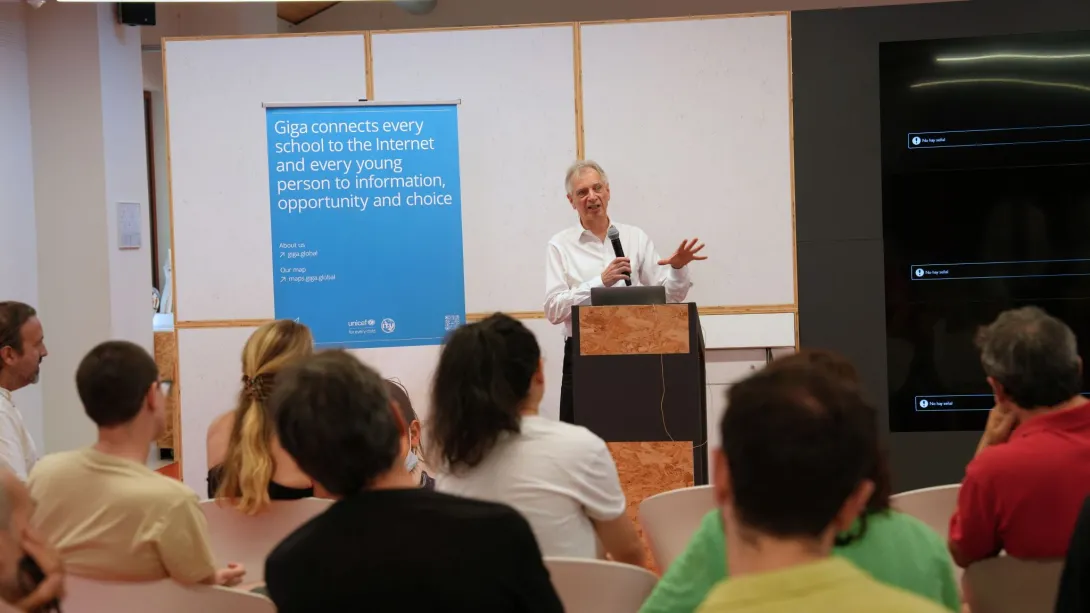
Giga, a global initiative focused on expanding internet connectivity to schools, launched its new tech and innovation event series “Giga Talks” on June 19 with a keynote address from Pascal Van Hentenryck, a leading artificial intelligence expert from the Georgia Institute of Technology.
Van Hentenryck serves as the A. Russell Chandler III Chair and Professor in Georgia Tech’s H. Milton Stewart School of Industrial and Systems Engineering. He is also the director of Tech AI, Georgia Tech’s new strategic hub for artificial intelligence, and the U.S. National Science Foundation AI Institute for Advances in Optimization (AI4OPT), which operates under Tech AI’s umbrella.
In his talk, “AI for Social Good,” Van Hentenryck showcased how AI technologies can drive impact across key sectors—including mobility, education, healthcare, disaster response, and e-commerce. Drawing from ongoing research and real-world deployments, he emphasized the critical role of human-centered design and interdisciplinary collaboration in developing AI that benefits society at large.
“AI has tremendous potential to serve the public good when guided by ethics, equity, and purpose-driven innovation,” said Van Hentenryck. “At Georgia Tech, our work aims to harness this potential to create meaningful change in people’s lives.”
The event marked the debut of Giga Talks, a new speaker series designed to convene global thought leaders, engineers, and policymakers around timely issues in technology and innovation. The initiative supports Giga’s broader mission to connect every school in the world to the internet and unlock digital opportunities for children everywhere.
A video recording of Van Hentenryck’s talk is available on here.
News Contact
Breon Martin
AI Marketing Communications Manager
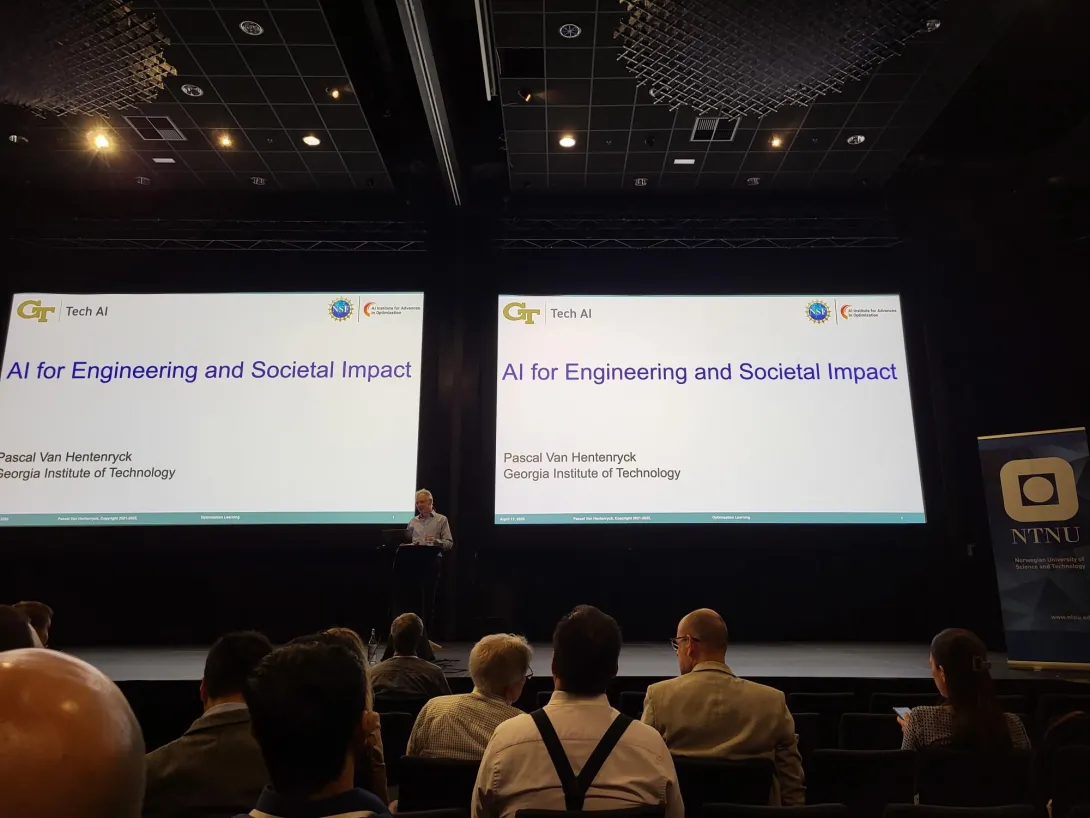
Pascal Van Hentenryck, the A. Russell Chandler III Chair and professor at Georgia Tech, and director of the U.S. National Science Foundation AI Institute for Advances in Optimization (AI4OPT) and Tech AI, delivered a keynote address at the 11th IFAC Conference on Manufacturing Modelling, Management and Control (MIM 2025), hosted by the Norwegian University of Science and Technology (NTNU).
Combining Technologies for Real-World Results
Van Hentenryck introduced a series of foundational approaches—such as primal and dual optimization proxies, predict-then-optimize strategies, self-supervised learning, and deep multi-stage policies—that enable AI systems to operate effectively and responsibly in high-stakes, real-time environments. These frameworks demonstrate the power of integrating AI with domain-specific reasoning to achieve results unattainable by either field alone.
“This is not just about building smarter algorithms,” Van Hentenryck said. “It’s about designing AI that can adapt, learn, and optimize under uncertainty—across supply chains, energy systems, and manufacturing networks.”
Grounded in Real-World Impact
The keynote aligned directly with the MIM 2025 focus on logistics and production systems. Drawing from recent work in supply chain optimization and smart manufacturing, Van Hentenryck emphasized how AI4OPT’s research is already generating measurable impact in industry.
MIM 2025, organized by NTNU’s Production Management Research Group and supported by MHI and CICMHE, featured more than 40 experts delivering keynotes, presenting research, and leading breakout sessions across topics in modeling, control, and decision-making in manufacturing and logistics.
About Tech AI
Tech AI is Georgia Tech’s strategic initiative to lead in the development and application of artificial intelligence across disciplines and industries. Serving as a unifying platform for AI research, education, and collaboration, Tech AI connects researchers, industry, and government partners to drive responsible innovation in areas such as healthcare, mobility, energy, sustainability, and education. Director of Tech AI, Pascal Van Hentenryck helps guide the institute’s research vision and strategic alignment across Georgia Tech’s AI portfolio. Learn more at ai.gatech.edu.
About AI4OPT
The AI Institute for Advances in Optimization (AI4OPT) is one of the National Science Foundation’s flagship AI Institutes and is led by Georgia Tech. The institute brings together experts in artificial intelligence, optimization, and control to tackle grand challenges in supply chains, transportation, and energy systems.
AI4OPT is one of several NSF-funded AI institutes housed within Tech AI’s collaborative framework, enabling cross-disciplinary research with real-world outcomes. Learn more at ai4opt.org.
News Contact
Breon Martin
AI Marketing Communications Manager

In a bold step to advance AI across Latin America, Georgia Tech is helping Panama develop its first National Artificial Intelligence Strategy—leveraging world-class research, global collaboration, and human-centered design.
In partnership with Panama’s National Secretariat of Science, Technology and Innovation (Secretaría Nacional de Ciencia, Tecnología e Innovación, or SENACYT) and Georgia Tech Panama, Tech AI the AI Hub at Georgia Tech co-led a series of multisectoral workshops in Panama City on July 7–8. The initiative convened voices from government, academia, civil society, and the private sector to co-create an ethical, inclusive and forward-looking roadmap for AI in Panama.
We’re moving forward with one of the most exciting and important processes for Panama’s future: the development of our National Artificial Intelligence Strategy,” said Franklin A. Morales, Head of International Technical Cooperation Panama's Secretariat for Science, Technology and Innovation at SENACY, in a public statement. “Georgia Tech’s expertise is helping us shape a strategy that’s both ambitious and grounded in global best practices.
The workshops were facilitated by Pascal Van Hentenryck, Director of Tech AI, the AI Hub at Georgia Tech and the NSF-funded AI Institute for Advances in Optimization (AI4OPT), and Tim Brown, Academic Program Director for AI at Georgia Tech Professional Education. Through interactive working groups, participants assessed Panama’s AI landscape, identified key challenges and opportunities, and helped lay the foundation for long-term national impact.
In a public statement, Van Hentenryck noted:
We had the honor to spend three days in Panama working on their National AI Strategy with SENACYT, Georgia Tech Panama, and so many stakeholders who contributed their expertise, talent, and time. More to come, obviously. And thank you to the teams at SENACYT, Georgia Tech Panama, and Tech AI at Georgia Tech for an amazing organization.
SENACYT’s vision for Panama’s AI future emphasizes the role of technology in advancing opportunity and improving lives. “The future is not something we wait for—it’s something we build together,” Morales added in a separate public statement.
Additional contributions from leaders across Panama’s innovation ecosystem emphasized the importance of developing homegrown talent, applying AI in high-impact sectors like health and education, and serving as a regional testbed for responsible AI solutions.
“This goes beyond technology. It’s about how we use artificial intelligence to improve people’s lives, make our systems more efficient, and elevate Panamanian talent,” shared a representative from Escala Latam. “We have a big opportunity: to train local talent, to scale responsible solutions, and to build, from Panama, solutions with global impact.”
The initiative reflects Georgia Tech’s broader commitment to advancing AI as a public good.
Through Tech AI and partnerships like this one, the Institute helps governments, industries, and communities around the world design AI strategies that are technically sound, globally relevant, and locally empowering.
“Artificial intelligence has been identified by SENACYT as a critical and emerging technology that requires urgent action to maximize its impact on the country’s economy, innovation capacity, and competitiveness,” said Eduardo Ortega Barría, National Secretary of Science, Technology and Innovation. “That’s why the National AI Strategy we are developing prioritizes broad and participatory reflection—this is a crucial step toward building a shared vision.”
As nations worldwide navigate the rise of artificial intelligence, Georgia Tech stands at the forefront, helping build AI strategies that are not only technically advanced but fundamentally human-centered.
GET INVOVLED
The public is also invited to shape the strategy. SENACYT launched a National Artificial Intelligence Survey—available through July 31 via www.SENACYT.gob.pa; SURVEY and SENACYT’s social media—to collect ideas, questions, and concerns from residents across Panama. (The survey includes 16 questions and is open to all residents of Panama—both nationals and foreigners. Its purpose is to gather perceptions, concerns, and opportunities to be considered in the national strategy. The survey will remain open until July 31, 2025).
About Tech AI
Tech AI is Georgia Tech’s interdisciplinary AI research and policy hub, bringing together expertise in optimization, robotics, ethics, education, and public-sector applications. With a mission to advance AI for social good, Tech AI helps partners across the globe design and deploy trustworthy, scalable AI systems.
About SENACYT
The National Secretariat of Science, Technology and Innovation (SENACYT) is an autonomous institution whose mission is to make science and technology tools for the sustainable development of Panama. Our projects and programs focus on advancing the country’s scientific and technological capabilities to close inequality gaps and promote equitable development that improves quality of life for all Panamanians.
News Contact
Breon Martin
AI Marketing Communications Manager
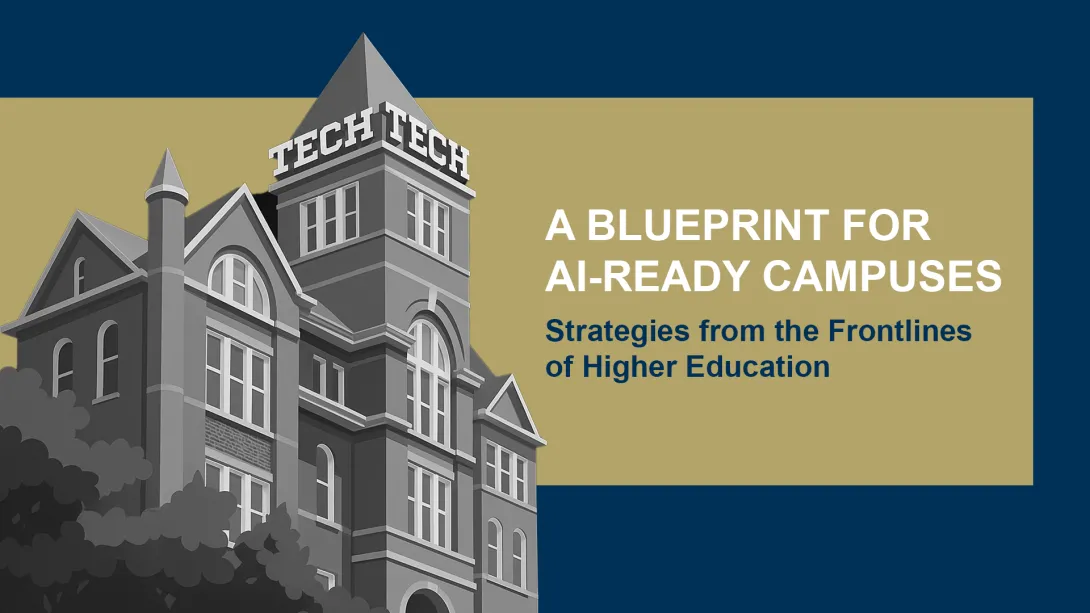
Georgia Tech has been recognized in a new IDC white paper, A Blueprint for AI‑Ready Campuses: Strategies from the Frontlines of Higher Education, as a national leader in deploying artificial intelligence across higher education. The report, published in partnership with Microsoft, highlights Georgia Tech’s comprehensive approach to integrating AI into teaching, research, and campus operations.
The Institute is one of only four U.S. universities featured in the report, joining Auburn University, Babson College, and the University of North Carolina at Chapel Hill.
“AI isn’t a single system or application—it’s a new foundation for how we work, teach, and learn,” said Leo Howell, Georgia Tech’s chief information security officer. “Our goal is to expose people to as many tools as possible, creating an ‘AI for All’ strategy that ensures everyone at Georgia Tech can leverage AI to enhance their work and learning experiences.”
Georgia Tech’s approach centers on a “persona-based model,” tailoring AI tools and resources to meet the needs of students, faculty, researchers, and administrators. That personalized approach, according to the report, is what makes Georgia Tech’s efforts both scalable and sustainable.
The white paper also emphasizes the importance of industry partnerships in Georgia Tech’s strategy. Through collaborations with Microsoft, OpenAI, and NVIDIA, the Institute is deploying advanced AI technologies while preparing students for the demands of an AI-driven workforce.
Georgia Tech’s success lies in its flexibility, the report notes. The Institute tests AI tools through targeted pilots, gathers user feedback, and rapidly iterates to improve outcomes. This adaptive mindset is recommended as a best practice for other institutions navigating their own AI transformation.
The full IDC white paper is available for download here.
News Contact
Breon Martin
AI Marketing Communications Manager
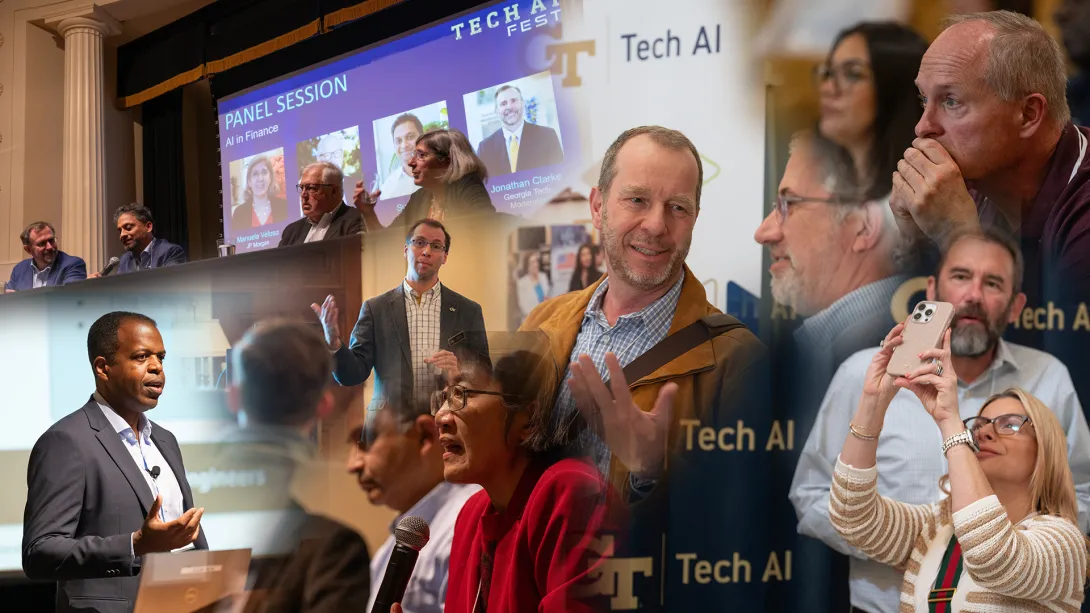
The inaugural Tech AI Fest held March 26–28 at the Historic Academy of Medicine in Atlanta, brought together more than 40 leaders in artificial intelligence (AI) from academia, government, and industry for three days of panels, keynotes, and networking.
Leading up to the main event, Tech AI, the AI Hub at Georgia Tech, partnered with OpenAI to host two standout events on March 25: the OpenAI Forum and Sora Shorts. These programs explored the rapidly evolving landscape of generative AI and creativity, offering a preview of the transformative work unfolding both at the Institute and across the globe.
OpenAI Academy and Sora Shorts
The OpenAI Academy gave participants hands-on experience with the latest AI tools and methods. The workshop provided a deep dive into how generative AI can be applied across sectors.
Simultaneously, the Sora Shorts series spotlighted creative pioneers integrating AI into storytelling and design. Featured speakers included:
- Mark Riedl, professor at Georgia Tech, who discussed the intersection of AI and storytelling and its impact on narrative innovation;
- Minne Atairu, AI artist and researcher at Columbia University, who explored generative art and the evolving role of AI in creative disciplines;
- Michaela Ternasky-Holland, Emmy Award-winning director, who offered insights into AI’s potential to reshape the future of filmmaking;
- Nik Kleverov, creative director and entrepreneur, who focused on AI's capacity to inspire design and entrepreneurship;
- Ellie Foumbi, filmmaker and member of the Directors Guild of America, who reflected on how AI tools are influencing storytelling and visual production.
Gabe Nixon, a fourth-year student at Georgia Tech, shared how these two events quickly reshaped his career ambitions. Initially on a Ph.D. track aiming for NASA, Nixon pivoted toward startups and AI innovation. After attending the OpenAI Academy, he began building his first AI-powered app, TITAN, during Tech AI Fest. Nixon's experience reflects a broader student interest in harnessing AI to fuel interdisciplinary breakthroughs.
Highlights Included:
Tech AI Fest welcomed AI experts and thought leaders across domains. Speakers included:
- Sen. John Albers, Georgia state senator, who spoke about crafting ethical legislation to govern AI innovation;
- Manuela Veloso, head of AI research at JPMorganChase and former AI head at Carnegie Mellon University, who discussed AI's role in finance and interdisciplinary collaboration;
- Sophia Velastegui, former Microsoft executive, who highlighted AI’s transformative power in solving complex industry problems;
- Konstantin Cvetanov, senior solution architect at NVIDIA, leading the adoption of enterprise AI and generative AI solutions across North America;
- Srinivas Aluru, professor at Georgia Tech, who explored AI's intersection with scientific computing and systems modeling;
- Sudheer Chava, professor at Georgia Tech, who discussed machine learning in financial markets and risk management;
- Yongsheng Chen, professor at Georgia Tech, who presented on AI in agriculture;
- Frank Dellaert, professor at Georgia Tech and CEO of Verdant Robotics, who shared insights into AI-driven autonomous systems and robotics;
- Ashok Goel, professor at Georgia Tech and director of the National Science Foundation AI Institute for Adult Learning and Online Education (AI-ALOE), who focused on AI for education and personalized learning.
Additional speakers included:
- Vijay Ganesh, associate professor at Georgia Tech, on real-time machine learning applications;
- David Joyner, executive director of the Online Master of Science in Computer Science program at Georgia Tech, on scalable AI-powered personalized education;
- Kamran Paynabar, associate professor at Georgia Tech, on AI-enabled optimization in global supply chains;
- Christopher J. Rozell, professor at Georgia Tech, on the role of AI in neuroscience and brain modeling;
- Suresh Marru, associate professor at Georgia Tech, on AI-enhanced cyberinfrastructure for science;
- Bob Friday, chief scientist at Juniper Networks, on AI's impact on networking and cybersecurity;
- Jeffrey Young, principal investigator at Georgia Tech’s Center for Scientific Software Engineering, who discussed open-source frameworks and ethical software development for AI.
Keynote: AI as a Global Force
A standout moment was the keynote from Pascal Van Hentenryck, director of Tech AI and professor in Georgia Tech’s H. Milton Stewart School of Industrial and Systems Engineering. He emphasized that AI's true potential lies in collaboration across academia, industry, and government.
“Artificial intelligence is not just a tool — it’s a revolution,” Van Hentenryck said. “But for it to be truly transformative, we need to come together as a global community to innovate responsibly. At Georgia Tech, we are proud to be at the forefront of this revolution, driving innovation and solving global challenges.”
Looking Ahead: Tech AI Career Fair
Building on the success of Tech AI Fest 2025, Tech AI will host a career fair later this year. The event will connect students, professionals, and companies to explore workforce opportunities in AI and emerging technologies.
“We’re excited about the upcoming Career Fair,” said Tim Brown, Tech AI’s Director of Professional Education and organizer of the career fair. “It will provide a platform for companies to engage with top talent, and for students to discover exciting careers in AI.”
A Lasting Impact
Tech AI Fest marked a defining moment for Georgia Tech’s role in shaping the future of artificial intelligence. From hands-on workshops to thought-provoking discussions on ethics, creativity, and policy, the event created space for new ideas and global partnerships.
As Georgia Tech continues to lead in AI research, education, and collaboration, Tech AI Fest demonstrated what’s possible when visionary thinkers come together to build a better, smarter future.
For more information about Tech AI and upcoming events, visit tech.ai.gatech.edu.
News Contact
Breon Martin
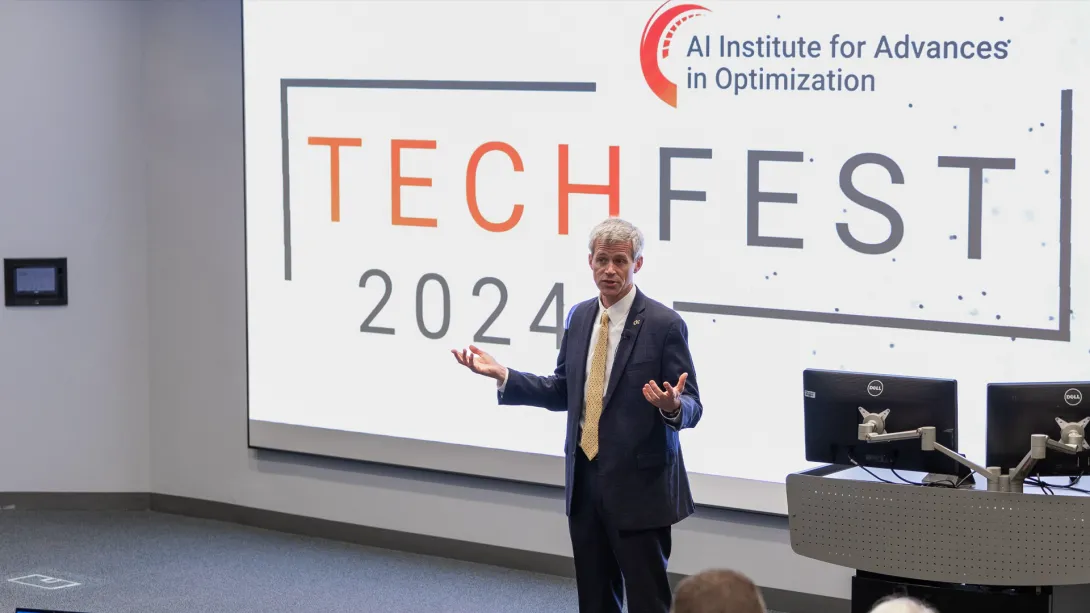
The NSF AI Institute for Advances in Optimization (AI4OPT), hosted its annual TechFest on Nov. 14, 2024, at the Georgia Tech Global Learning Center. The event brought together academic and industry leaders to explore the intersection of artificial intelligence (AI) and mathematical optimization. In particular, TechFest focused on how these fields drive breakthroughs in automated decision-making and real-world problem-solving.
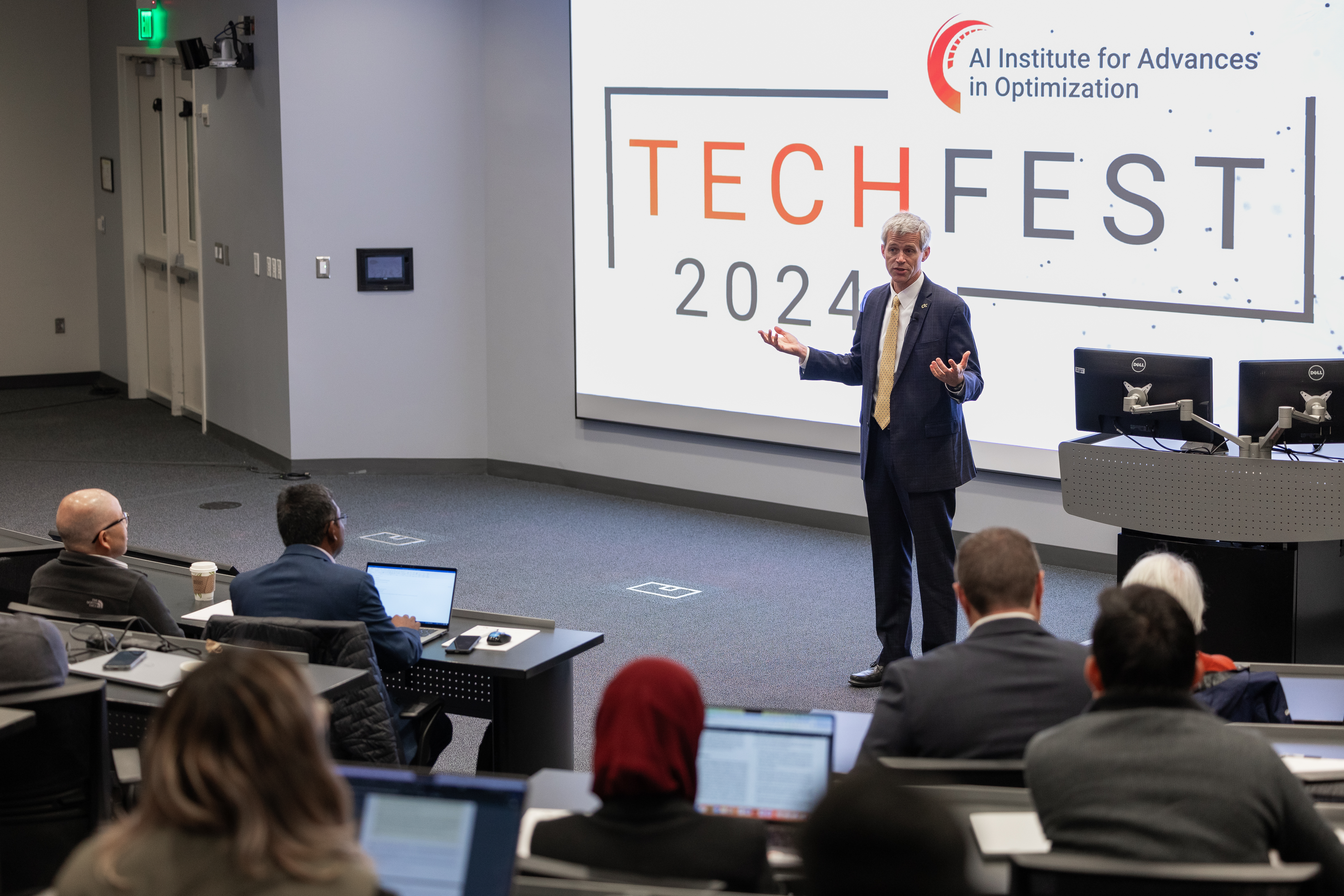
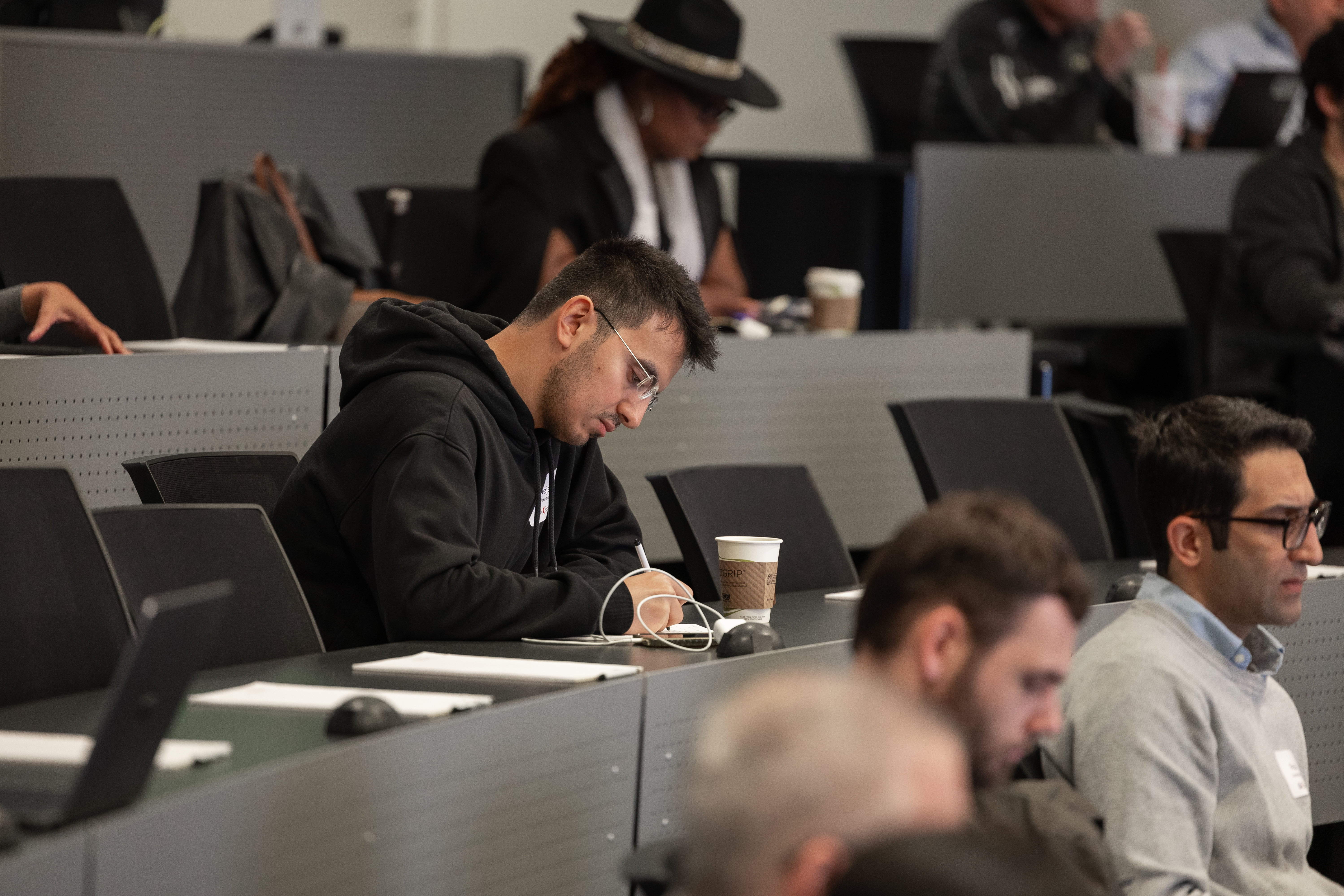
Speakers hailed from a range of industries and disciplines, illustrating the diversity of applications and challenges in integrating AI and optimization. Attendees were immersed in cutting-edge research and real-world applications of these technologies.
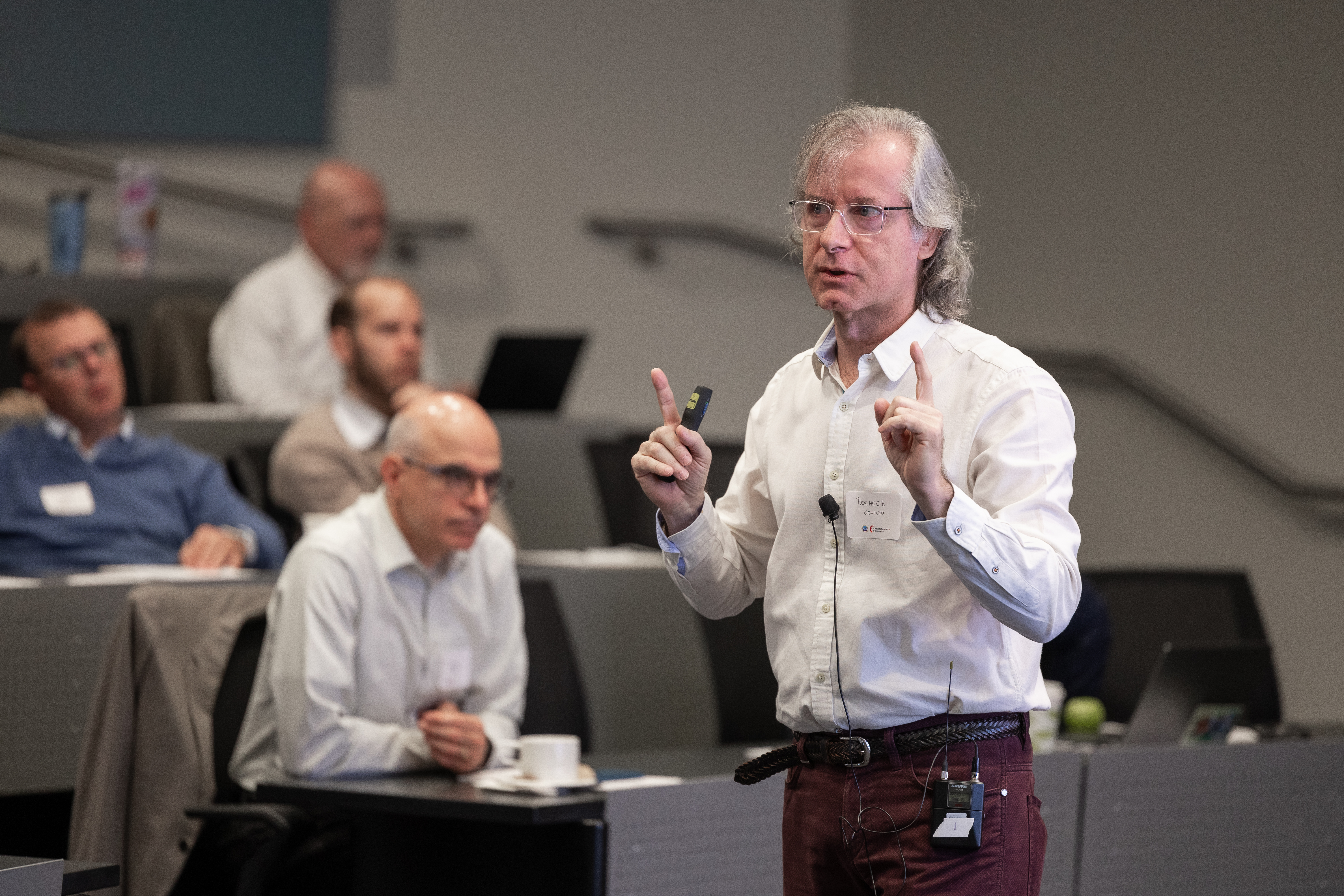
Digital Transformation in Asset Management
Geraldo Rochocz, chief technology officer at Radix Engineering, discussed the company’s global shift toward digital transformation. “AI is not a solo play,” Rochocz said, emphasizing the need for collaboration across disciplines. Radix is transitioning from manual tools and spreadsheets to a unified digital platform that will be deployed across more than 50 sites worldwide. Their AI-powered asset management initiative combines AI and non-AI solutions to optimize operations, demonstrating how customized AI solutions can meet industry-specific needs. Radix’s approach reveals that successful AI implementation builds much-needed collaboration in varying industries.
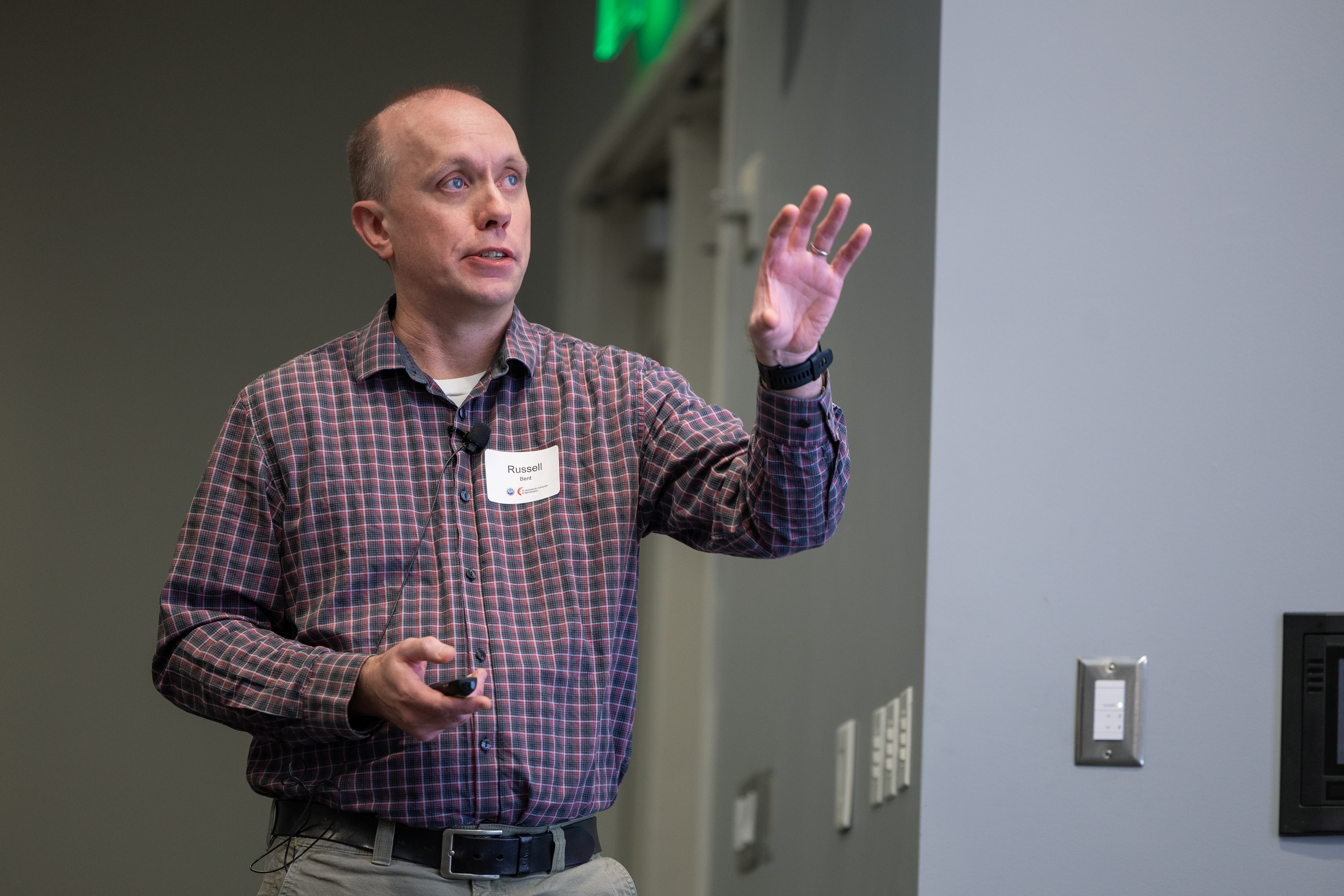
AI Addressing National Security Challenges
Russell Bent, a scientist from Los Alamos National Laboratory, shared how AI is being used to design and control resilient energy systems. He explained that building energy security requires multi-sector, multidisciplinary collaboration to create solutions that balance efficiency, resilience, and adaptability.
Insights from Industry Leaders
Throughout the event, a recurring theme was that AI systems need to be both impactful and trustworthy. Kevin Dalmeijer, AI4OPT managing director, noted, “Leaders across industries have recognized that artificial intelligence will have a major impact on their sector. Multiple speakers talked about seizing the moment to not be left behind.”
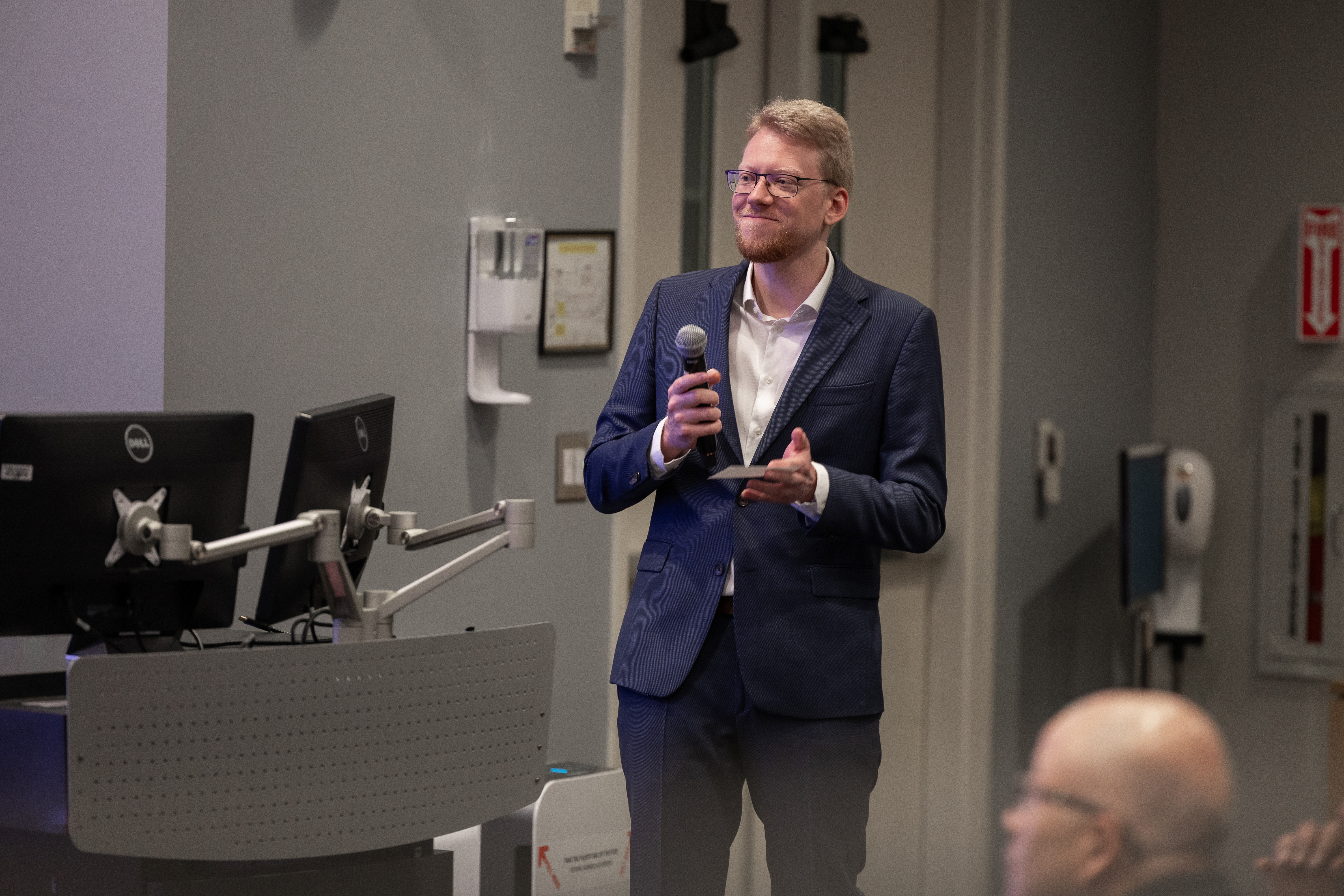
Chantal Bisson-Krol, vice president of AI and Machine Learning Solutions at Kinaxis, presented the research the company has been working on in collaboration with AI4OPT. This work has been focused on AI programs which ensure recommendations for supply chain systems align with the company’s real-world business constraints.
Eli Kuperman, corporate relations manager at AI4OPT, emphasized the importance of progress in these areas. “Many companies begin by creating Large Language Models, but improving inferencing layers in models leads to better accuracy and results,” said Kuperman.
Key Takeaways and Applications
TechFest showcased AI’s transformative potential across industries:
- Energy Innovation: ERCOT discussed the growing energy demands of AI computation and the need for efficient energy models to ensure sustainability.
- Streamlining Workflows: VT Industries demonstrated how AI can reduce repetitive tasks, allowing workers to focus on higher-value decision-making.
The Road Ahead
As AI and optimization continue to converge, the insights shared at TechFest 2024 illustrate how collaboration and innovation can unlock new possibilities. Fusing these systems — whether by optimizing industrial assets, national security, or supply chain management — has the potential to reshape industries and solve complex global challenges.
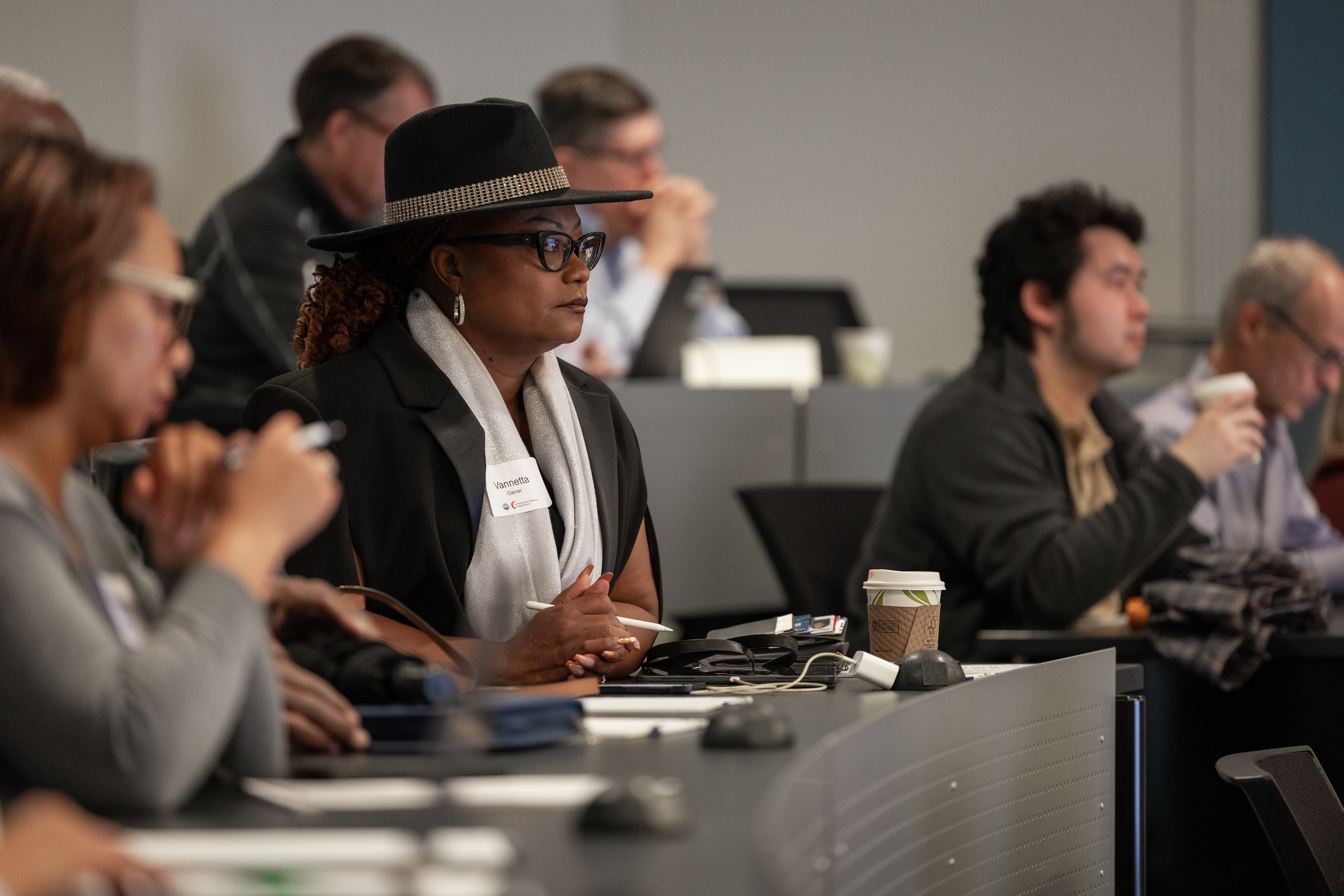
TechFest 2024 showcases AI4OPT's role in advancing research and building collaborations that push the boundaries of AI and optimization, with applications across industries such as healthcare, finance, and energy. The year's event demonstrated how AI-powered optimization is transforming decision-making processes and solving complex, real-world problems.
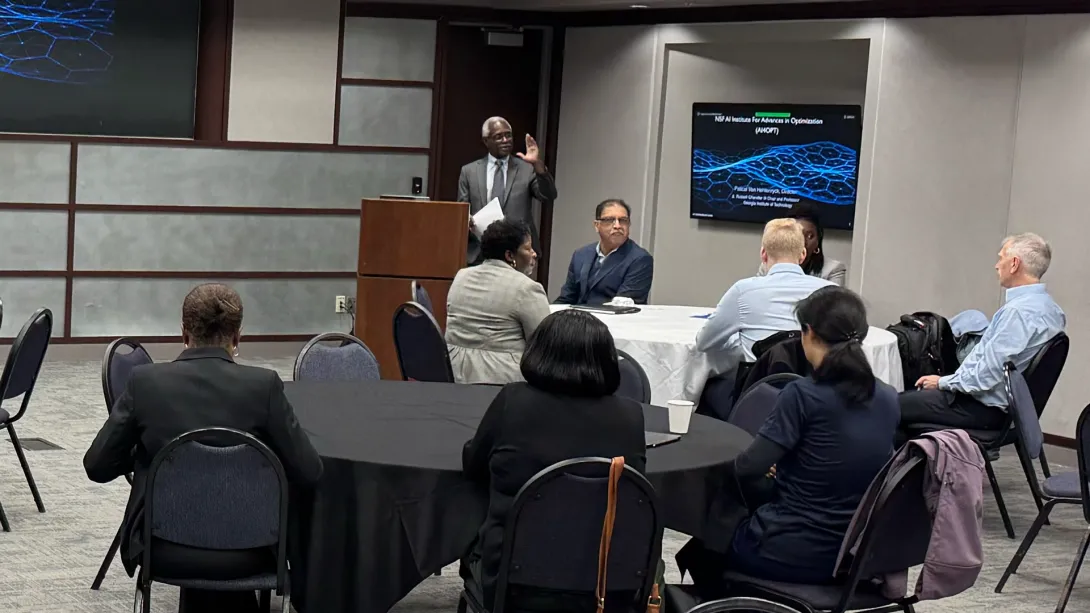
Clark Atlanta University celebrated a transformative milestone in artificial intelligence on November 13, 2024 with the official opening of AIHUB@CAU—a new center that places one of Atlanta’s most historic institutions at the forefront of AI literacy, workforce inclusion, and innovation for underserved communities.
Developed in collaboration with the NSF AI Research Institute for Advances in Optimization (AI4OPT) and with support from the National Science Foundation’s ExpandAI program, the new project aims to expand AI learning and accessibility, positioning CAU as a leader in AI advancements at historically Black colleges and universities (HBCUs) and beyond.
AIHUB@CAU is dedicated to bridging the gap in AI knowledge and skills for minority students, providing new pathways into one of today’s fastest-growing sectors.
HBCUs are crucial in diversifying the tech sector, producing nearly 50% of Black engineers in the U.S., despite representing only 3% of U.S. higher education institutions, according to the United Negro College Fund and the National Science Foundation.
This initiative highlights the commitment to elevating HBCUs as leaders in AI education and research, creating a lasting effect that will benefit generations of learners and faculty.
AIHUB@CAU builds on a successful collaboration between CAU and AI4OPT, starting with the Faculty Training Program in AI. “We are now in our third cohort of faculty from CAU’s mathematics department, bringing together professors dedicated to making AI accessible and applicable,” said Charles Pierre, co-principal investigator of AI4OPT and lead PI for AIHUB@CAU. “AIHUB@CAU strengthens our partnership, expanding its reach across the CAU community.”
Francis Williams, CAU’s vice president of research and sponsored programs, emphasized the broader potential of the partnership. “Through new programs at both the undergraduate and graduate levels, AIHUB@CAU will be instrumental in training the next generation of AI professionals. Increasing minority representation in AI will ensure that we have a diverse workforce prepared to shape tomorrow’s AI-driven economy.”
Empowering Local Communities with a Global Vision
Focusing on AI literacy and community impact, AIHUB@CAU connects academic instruction with real-world applications, closing the gap between education and industry. The center’s mission aligns closely with CAU and AI4OPT’s shared goals of bringing AI resources to traditionally underrepresented areas in technology. The hub will offer workshops, hands-on learning, and foster collaboration and partnerships.
Pascal Van Hentenryck, director of AI4OPT and Tech AI at Georgia Tech, expressed the significance of the milestone: “We’re grateful to support this initiative and honored to witness the start of a powerful movement for diversity in AI,” he said. “AIHUB@CAU is not only about making resources accessible; it’s about empowering students and faculty with the tools to lead and innovate.”
Creating a Blueprint for Inclusive AI Progress
Supported by NSF’s ExpandAI initiative, which promotes the spread of AI expertise to underrepresented institutions, AIHUB@CAU is poised to become a model for similar programs nationwide. Georgia-Ann Klutke, NSF’s program director, highlighted the broader significance: “This is a significant step not just for CAU but for all institutions looking to increase engagement in AI. AIHUB@CAU is a prototype for inclusive AI education and innovation.”
As AI continues to shape the future of global industries, initiatives like AIHUB@CAU are vital for building a diverse talent pipeline in the field. Clark Atlanta University is leading the way in addressing representation gaps in technology, helping to create a future where diverse voices drive AI advancements across sectors and communities. With its commitment to equitable AI education, CAU is paving the way for a more inclusive AI ecosystem—one that opens new opportunities for HBCU students and drives meaningful change.
About AI4OPT
The Artificial Intelligence (AI) Research Institute for Advances in Optimization, or AI4OPT, aims to deliver a paradigm shift in automated decision-making at massive scales by fusing AI and Mathematical Optimization (MO) to achieve breakthroughs that neither field can achieve independently. The Institute is driven by societal challenges in energy, logistics and supply chains, resilience and sustainability, and circuit design and control. To address the widening gap in job opportunities, the Institute delivers an innovative longitudinal education and workforce development program.
About Georgia Tech
The Georgia Institute of Technology, or Georgia Tech, is a top 10 public research university developing leaders who advance technology and improve the human condition. The Institute offers business, computing, design, engineering, liberal arts, and sciences degrees. Its nearly 40,000 students, representing 50 states and 149 countries, study at the main campus in Atlanta, at international campuses, and through distance and online learning. As a leading technological university, Georgia Tech is an engine of economic development for Georgia, the Southeast, and the nation, conducting more than $1 billion in research annually for government, industry, and society.
About Clark Atlanta University
Clark Atlanta University was formed with the consolidation of Atlanta University and Clark College, both of which hold unique places in the annals of African American history. Atlanta University, established in 1865 by the American Missionary Association, was the nation’s first institution to award graduate degrees to African Americans. CAU is also the largest of the 37-member UNCF institutions. CAU, established four years later in 1869, was the nation’s first four-year liberal arts college to serve a primarily African American student population. Today, with over 4,000 students, CAU is the largest of the four institutions (CAU, Morehouse College, Spelman College, and Morehouse School of Medicine) that comprise the Atlanta University Center Consortium.
About National Science Foundation
The U.S. National Science Foundation propels the nation forward by advancing fundamental research in all fields of science and engineering. NSF supports research and people by providing facilities, instruments and funding to support their ingenuity and sustain the U.S. as a global leader in research and innovation. With a fiscal year 2023 budget of $9.5 billion, NSF funds reach all 50 states through grants to nearly 2,000 colleges, universities and institutions. Each year, NSF receives more than 40,000 competitive proposals and makes about 11,000 new awards. Those awards include support for cooperative research with industry, Arctic and Antarctic research and operations, and U.S. participation in international scientific efforts.
About NSF ExpandAI
The National Science Foundation Expanding AI Innovation through Capacity Building and Partnerships (ExpandAI) program aims to significantly broaden participation in AI research, education, and workforce development through capacity development projects and through partnerships within the National AI Research Institutes ecosystem. The NSF ExpandAI program includes a track for minority serving institutions and AI institutes to propose together new partnerships. ExpandAI program information can be found at the official program page.
The National Science Foundation and its partners support the continued growth of a broad and diverse interdisciplinary research community for the advancement of AI and AI-powered innovation, providing a unique opportunity to broadly promote the NSF vision and core values, especially inclusion and collaboration.